Installations
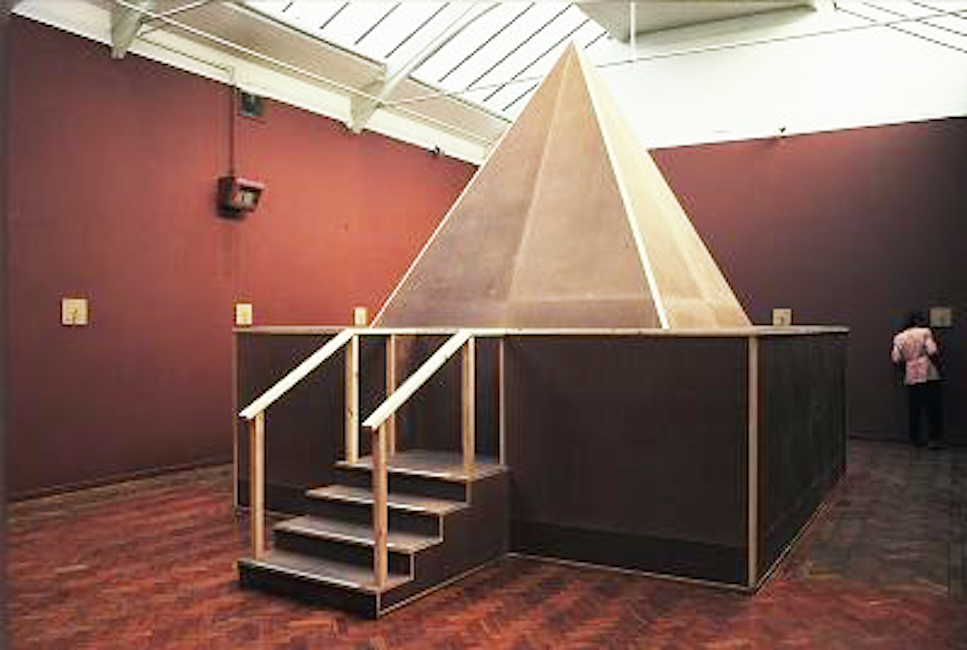
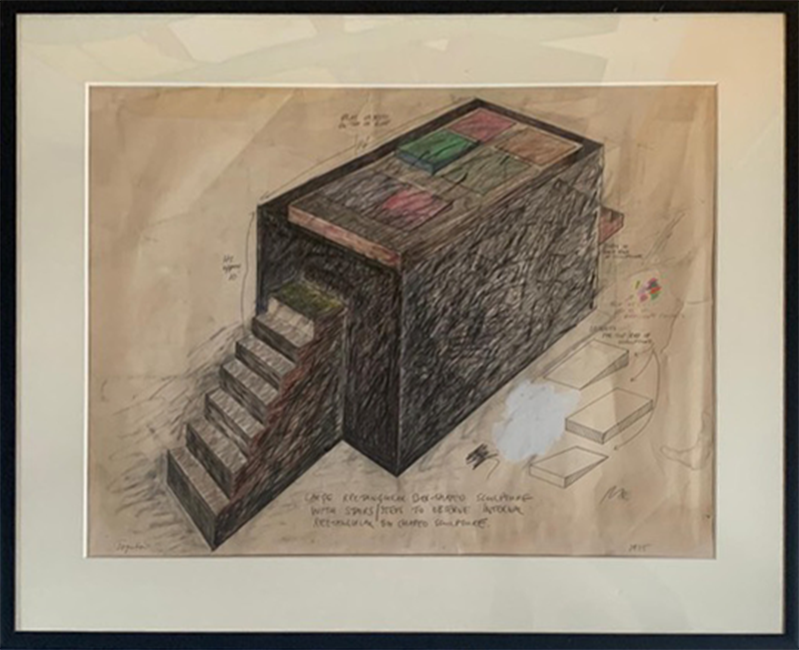
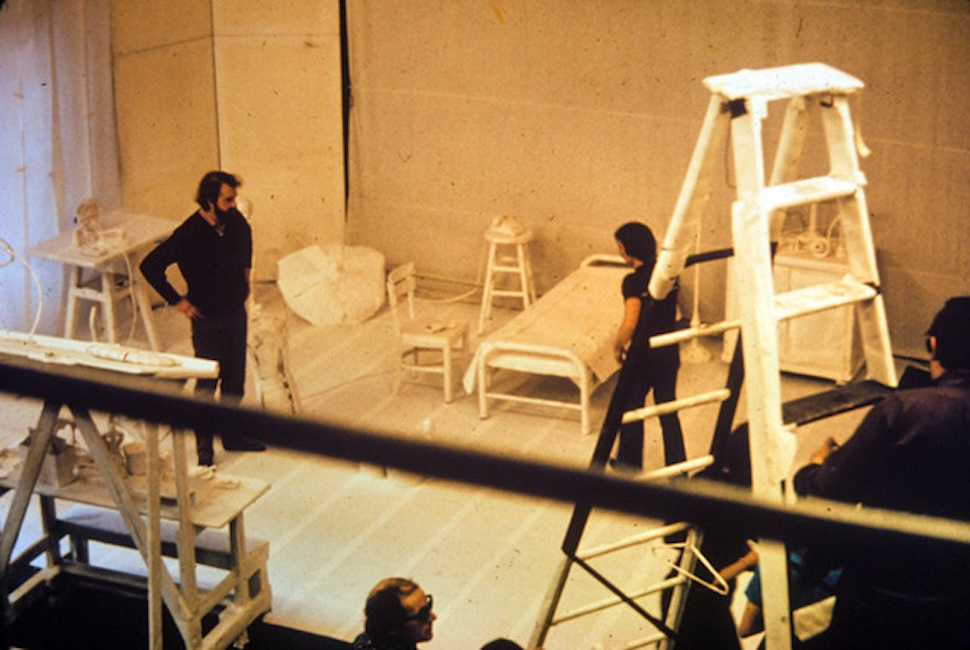
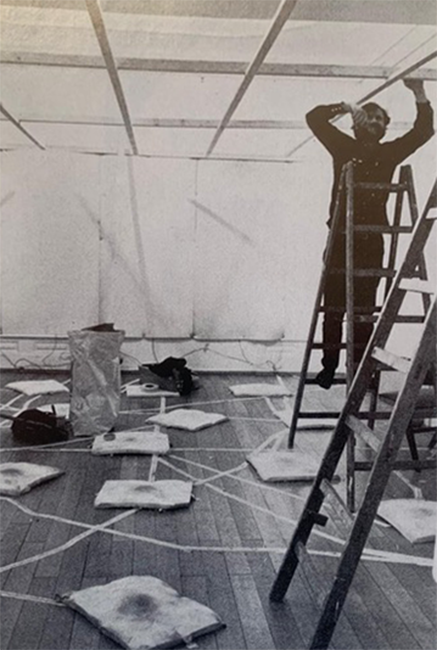
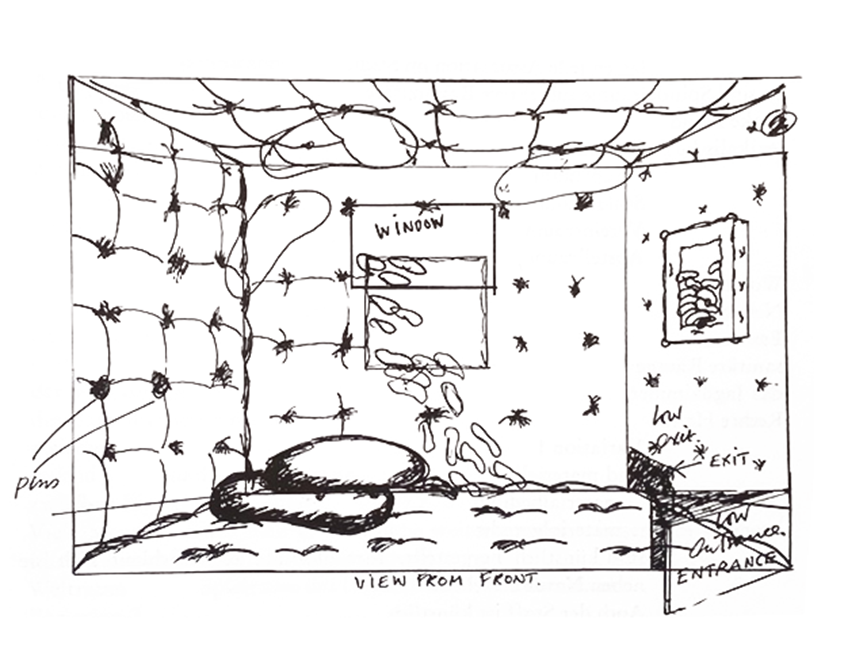
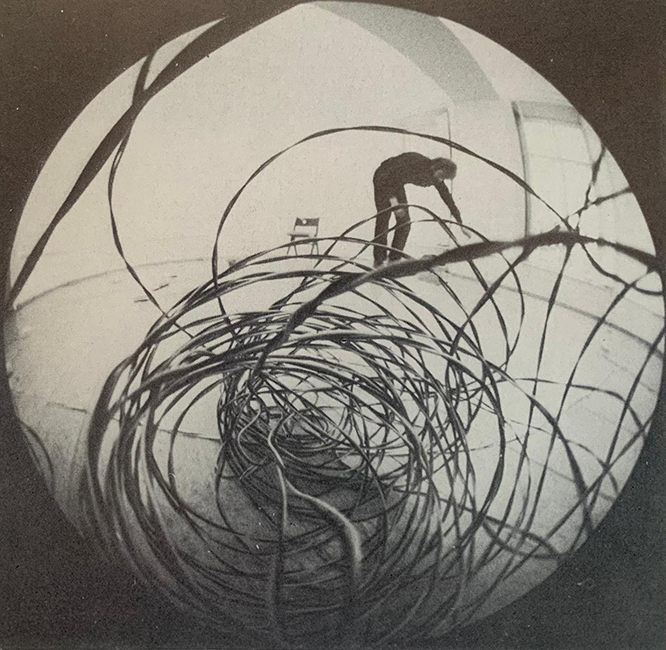
Starting in 1969, Toynton became interested in making larger constructions, originally using the same shapes that had appeared in his late 60’s paintings. After creating a ‘room and environment’ for a show in Leverkusen, Germany, he went to America and continued experimenting with different types of installation, one of which, at the Ohio State University Gallery, consisted of swathing the walls of the gallery and every item of furniture he’d placed within them in thick white paper.
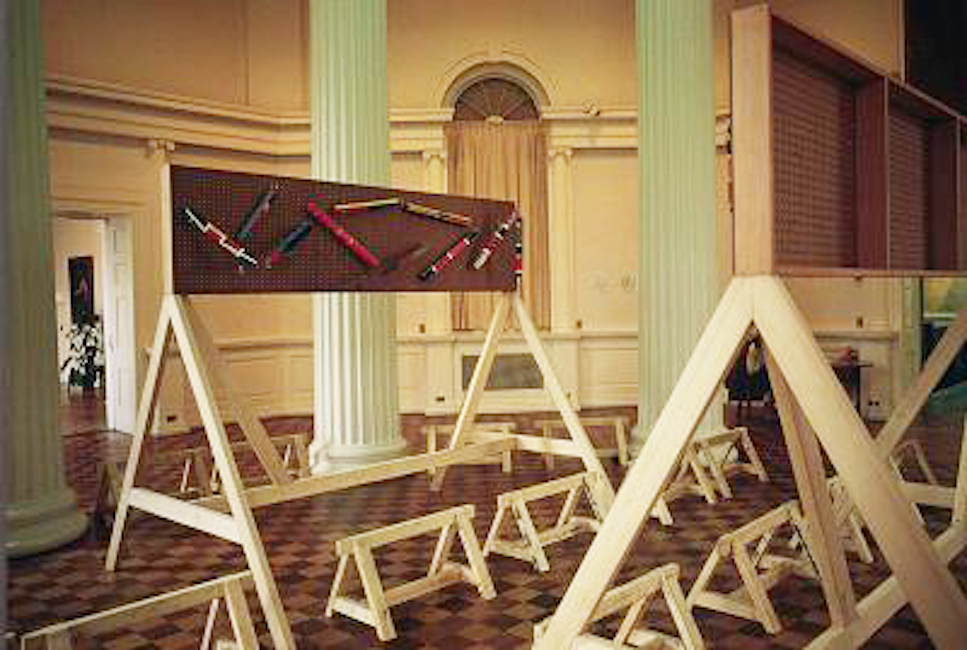
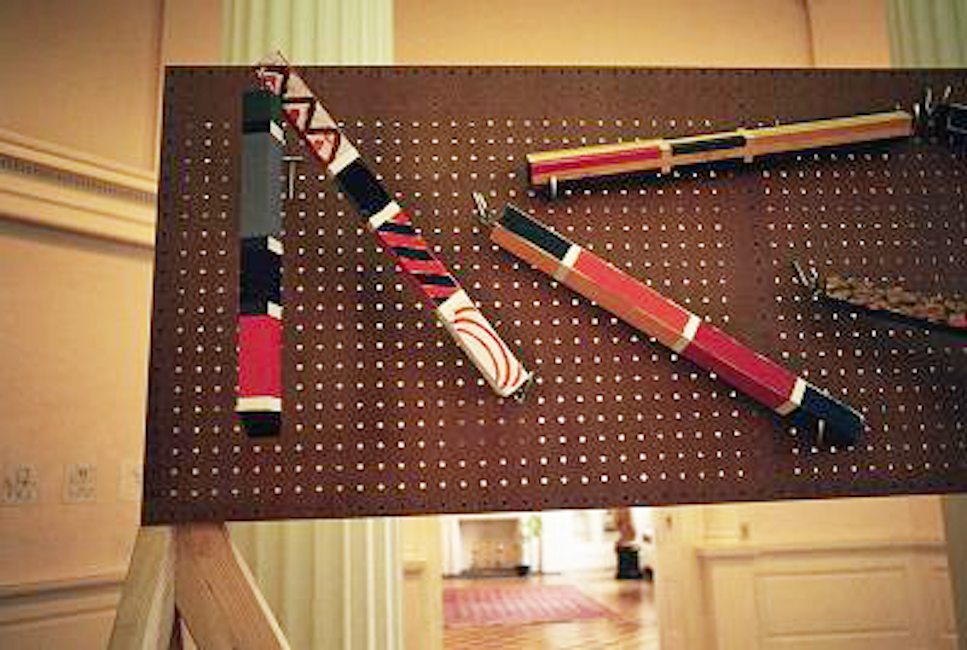
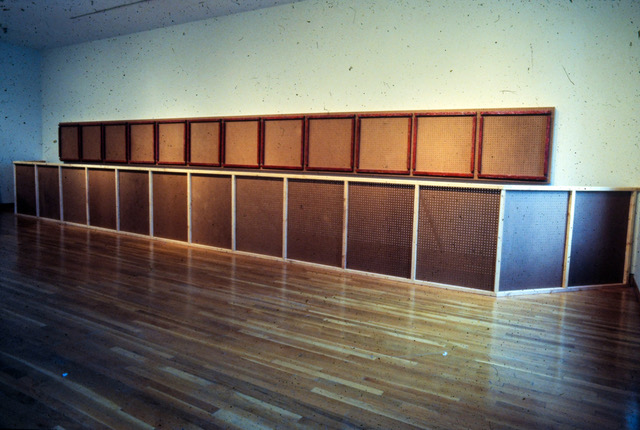
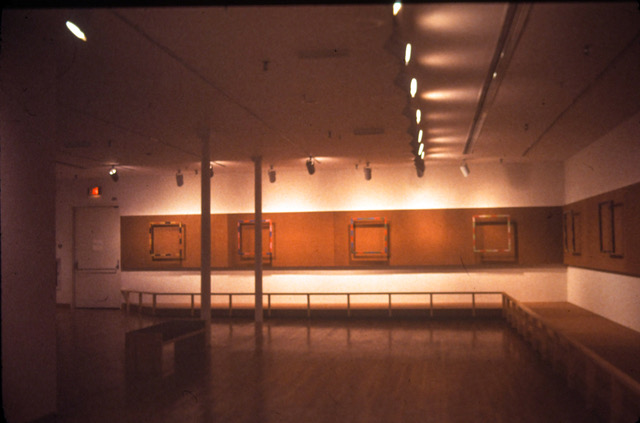
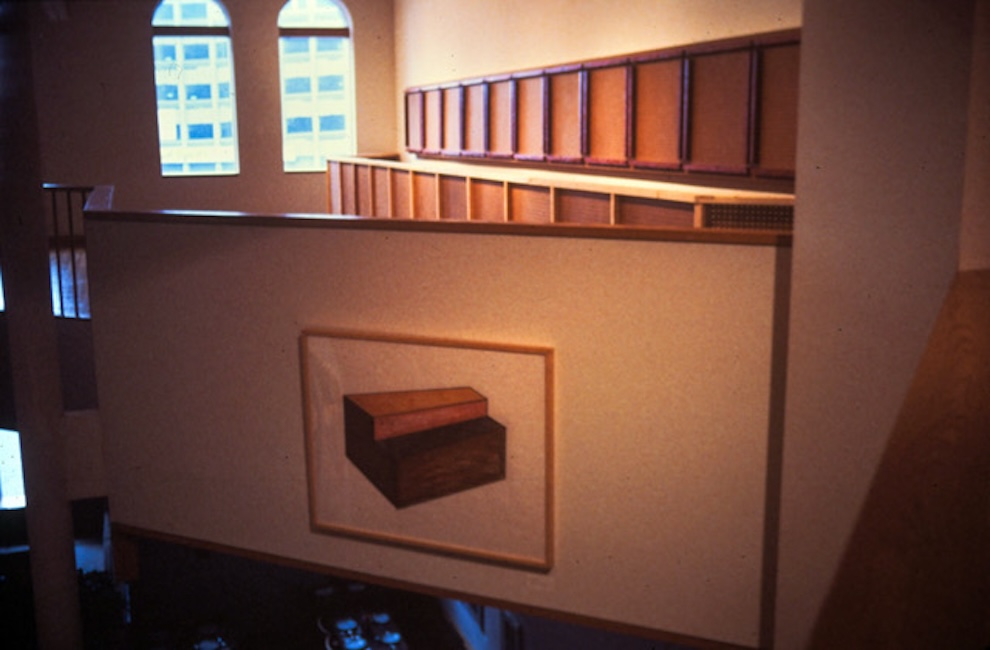
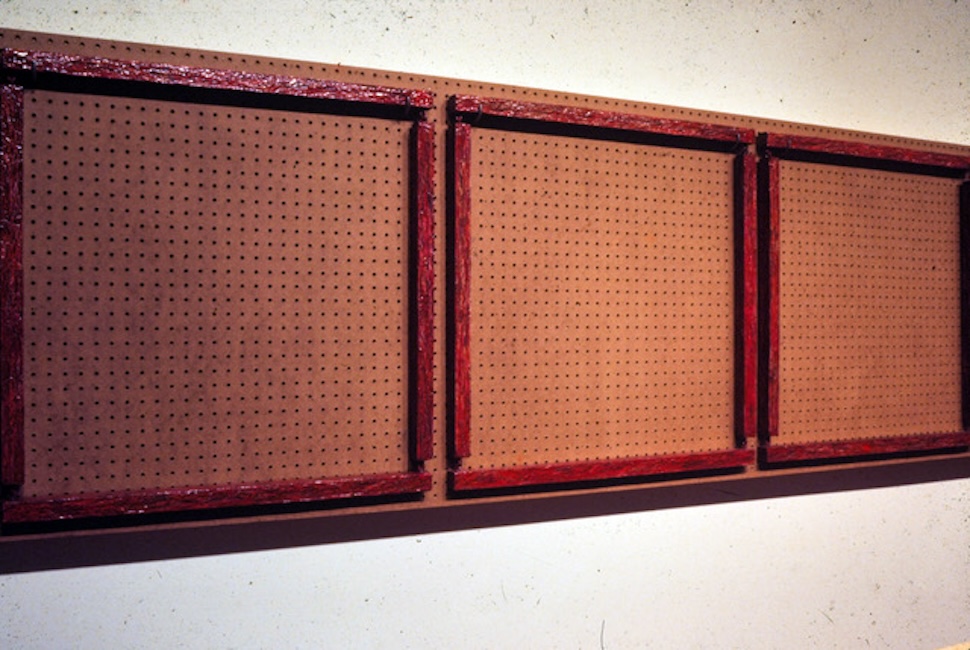
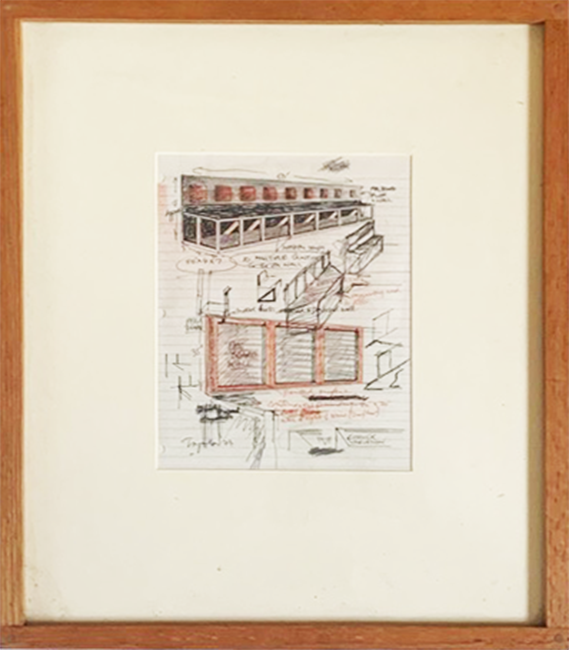
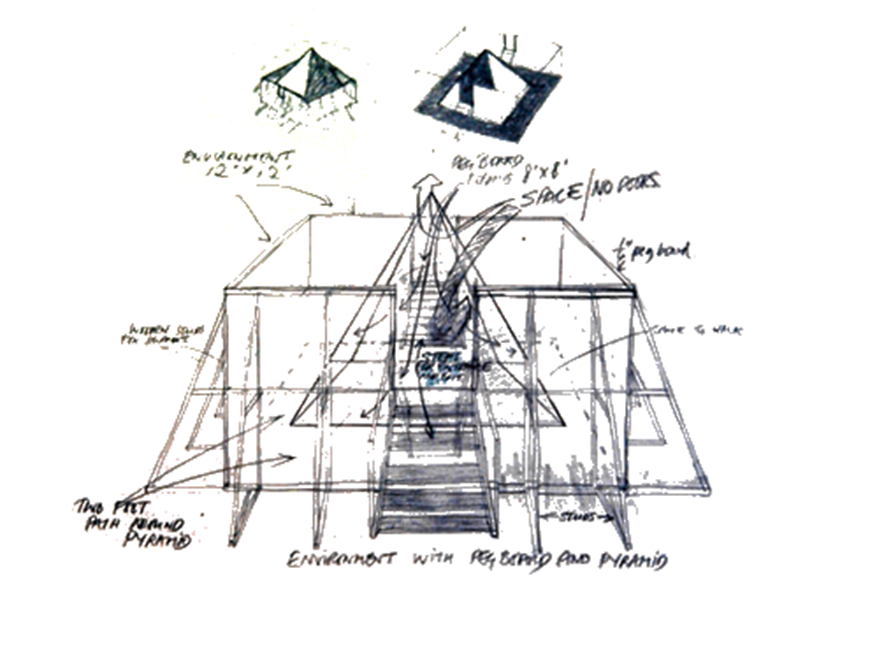
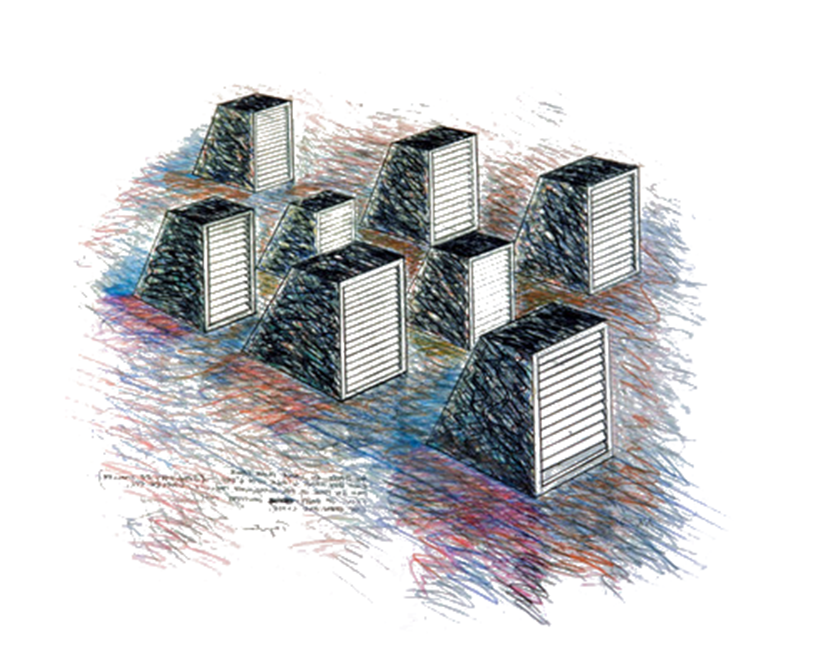
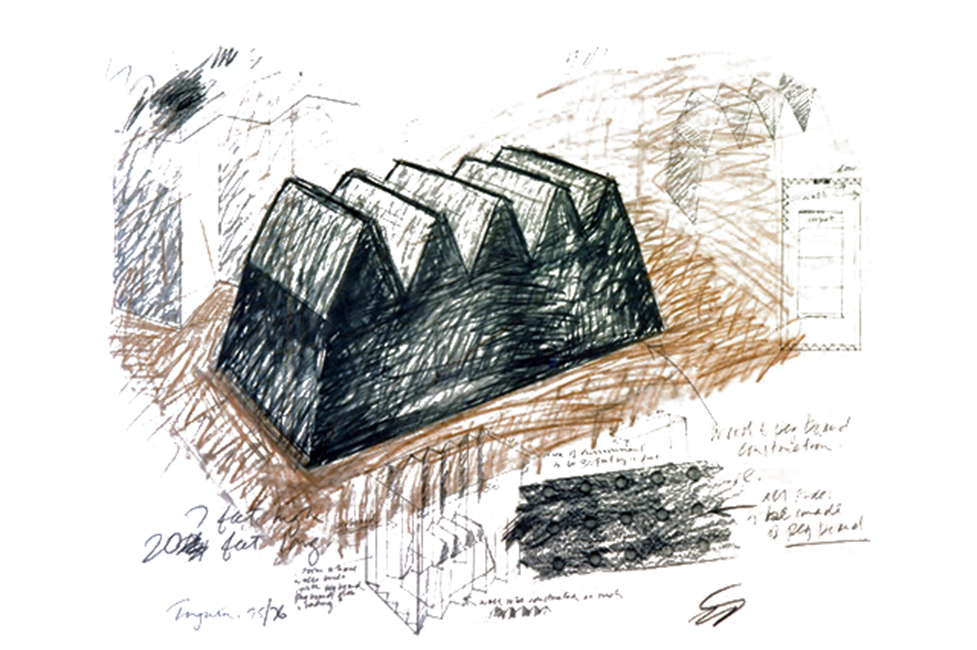
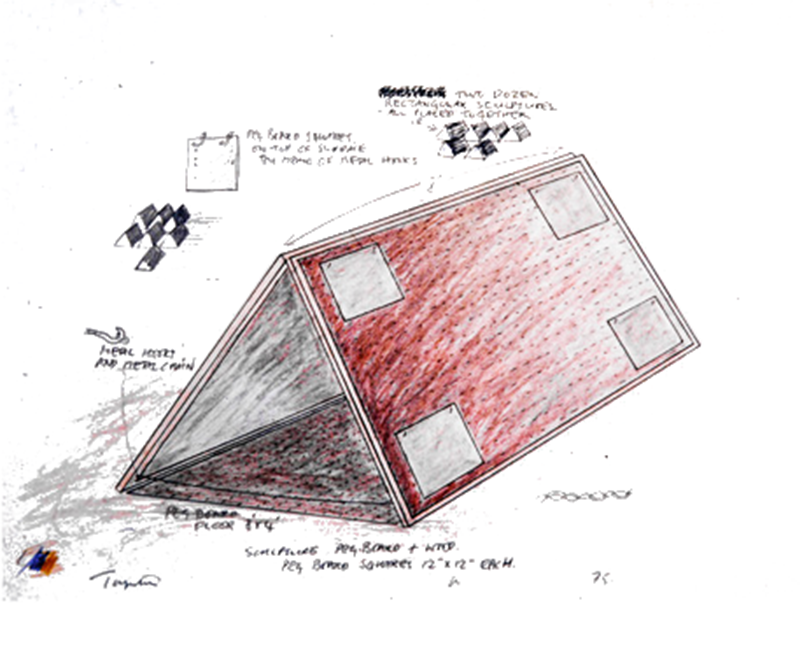
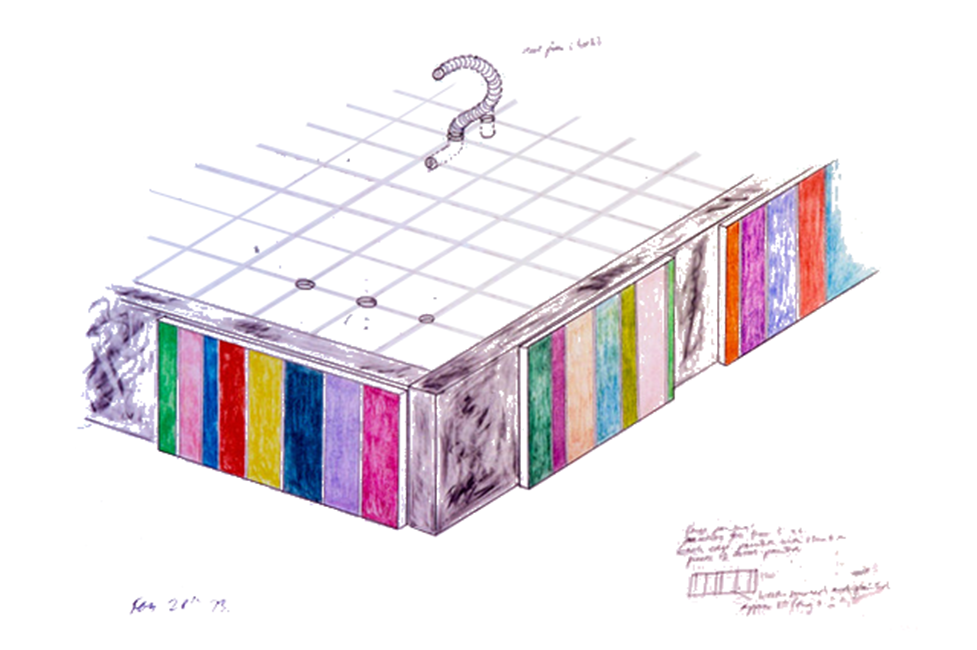
When Toynton first went to America, Masonite pegboard, a material unknown in England then, was ubiquitous: in hardware stores, jewellery and crafts shops, discount chains like Walmart, garages, workshops, even people’s kitchens. This dreary, mass-produced material struck him as a perfect symbol of a depersonalised world. Yet at the same time he was intrigued by its possibilities as a ground for painting (See ‘Norman Toynton’s Grounds for Painting’, Artforum, in the Articles & Reviews section). He began making large, intricate pegboard constructions for solo shows at the Whitechapel Gallery in London and the ICA in Boston, among other venues.
(Images enlargeable)
[ Work for which no collection is cited are part of the Norman Toynton Estate ]